Why Transparency on Timelines Matters
One of the most common complaints NRIs have when initiating a UK pension transfer is: *"Why is this taking so long?"* Marketing brochures often promise a quick 4-week turnaround. In reality, cross-border financial transactions involving tax authorities and legacy insurance platforms require patience and meticulous paperwork.
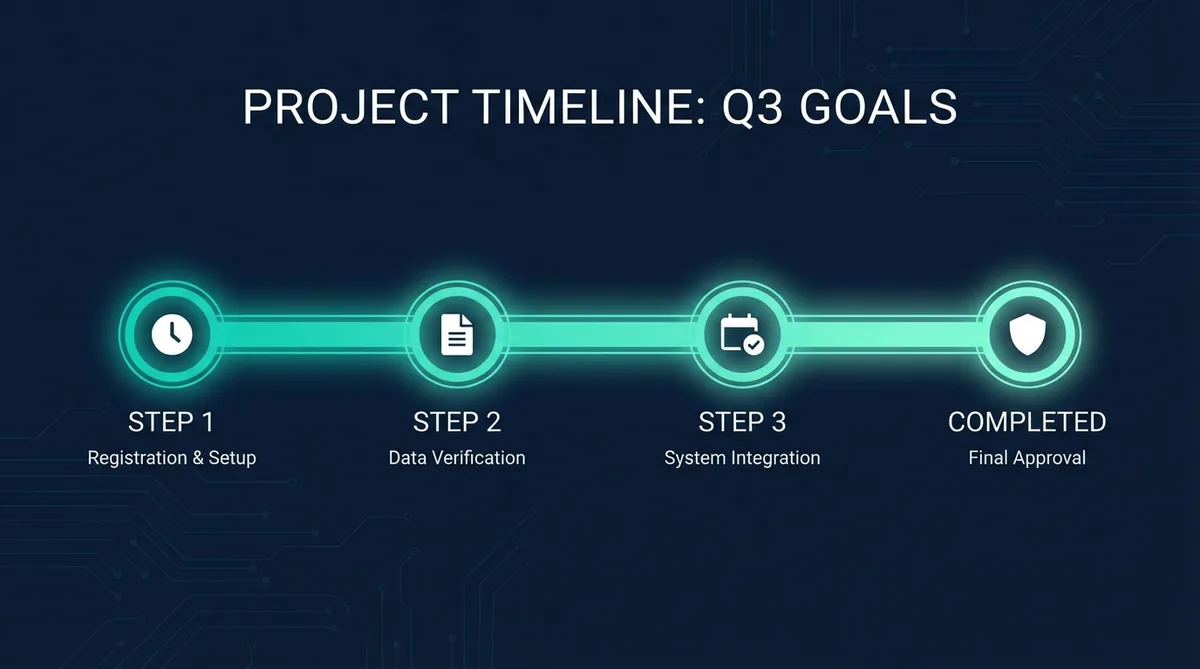
To prevent frustration, you must understand the realistic timeline of your QROPS transfer. Let us break down a standard, compliant transfer into its physical phases.
The Five Phases of a QROPS Transfer
Phase 1: Eligibility and Discovery (Weeks 1 – 2)
This phase is entirely under your control. You gather your latest UK pension statements, document your tax residency status, and share basic parameters with your specialist. We run a verification check to classify the pension scheme type and verify if it's eligible to move under HMRC rules.
- Milestone: A written feasibility report and a tailored document checklist.
Phase 2: The CETV Request and Quote (Weeks 2 – 6)
Your specialist helps you submit a formal request to your UK ceding provider for a Cash Equivalent Transfer Value (CETV) and a discharge pack. The speed of this phase depends entirely on the UK provider's administrative backlog.
- Defined Contribution (DC): Usually takes 2 to 3 weeks for providers to generate quotes.
- Defined Benefit (DB): Can take up to 6 weeks. DB providers are legally allowed to charge fees if quotes are requested multiple times in a calendar year.
Phase 3: Tax Modelling and Blueprint (Weeks 6 – 8)
Once the exact CETV values are in hand, we write the complete transfer blueprint. This includes analyzing the 25% Overseas Transfer Charge risk, selecting the specific receiving scheme in India, and drafting the UK-India Double Taxation Avoidance Agreement (DTAA) tax memo.
The 3-Month DB Guarantee
For Defined Benefit schemes, the UK provider guarantees the CETV cash value for exactly three months. All paperwork must be compiled, signed, and delivered back to the UK provider before this window expires, otherwise the entire CETV process must be restarted.
Phase 4: Onboarding and Return Pack (Weeks 8 – 11)
Your specialist compiles the complete application pack: HMRC Form APSS 263, the UK provider's specific discharge sheets, and the Indian QROPS scheme KYC and onboarding paperwork. The pack is dispatched physically or digitally back to the UK. The UK provider conducts security and compliance checks to prevent pension scam activity.
Phase 5: Settlement and Allocation (Weeks 11 – 12+)
Once approved, the UK provider sells the portfolio assets, converts the capital to sterling cash, and dispatches the funds directly to your Indian QROPS scheme. The funds settle, and your Indian provider issues your scheme certificate.
Track Your Transfer
Get an Estimated Transfer Schedule
Share your pension provider's name, and our specialists will map out a customized timeline based on that specific provider's current processing speed.
Typical Timeline Bottlenecks
Delays are rarely caused by HMRC or the receiving Indian scheme. The slowest links are almost always:
- UK Ceding Providers: Reluctant to lose assets under management, some legacy UK platforms use rigorous manual security processes that stretch out signature verifications.
- Incorrect Signatures or Addresses: If your address on file with your UK provider is your old UK home, but your QROPS paperwork shows your new Indian address, providers will reject the transfer until a formal change-of-address process is completed.
By working with a specialist who understands the exact requirements of each UK provider, you can proactively resolve these issues and ensure your funds settle safely and promptly.